
Chiller & Heater
How to Choose a Chiller for a Rotary Evaporator
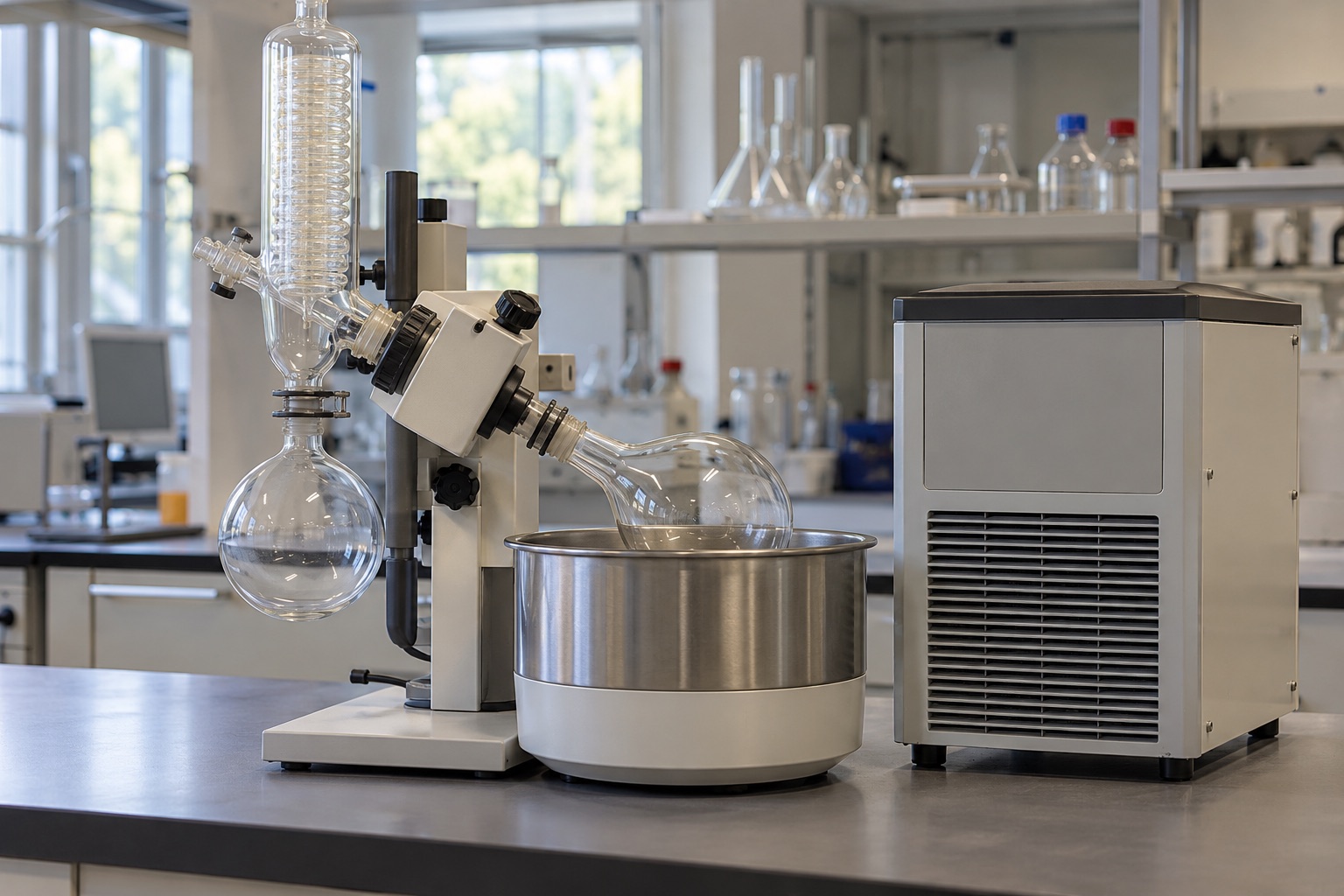
Image: AI-generated laboratory scene for editorial illustration. It does not depict an actual LM Scientific product, installation or operating procedure.
Choosing a recirculating chiller for a rotary evaporator starts with the intended process: the solvent, evaporation rate, operating pressure and condenser requirements. Flask volume and minimum chiller temperature alone do not establish a suitable match.
This guide explains what to request before selecting a chiller for laboratory solvent recovery, including ethanol-containing processes. It provides a specification checklist rather than a model recommendation or a validated operating procedure.
Why laboratory resource use belongs in the selection discussion
In its January 2026 year-in-review, My Green Lab described the introduction of Certification 2.0 and an impact estimator intended to help participating laboratories assess resource savings. This is a recent example of laboratory sustainability work emphasizing measurement. It is not evidence of certification or environmental performance for any equipment discussed here. 1
For a cooling-system purchase, a useful question follows: what evidence will show whether the proposed setup meets the process requirement, and what resources will it use? The American Chemical Society includes energy requirements among the considerations in its green chemistry principles. 2
What determines rotary evaporator chiller sizing?
BUCHI explains that condensation requires removal of the heat transferred during evaporation. Its technical guidance also describes the need to balance evaporation and condensation; excess vapor can pass toward the vacuum pump when condensation cannot keep up. 3
Translate that relationship into a written process specification:
| Information to provide | Question it helps resolve |
|---|---|
| Solvent identity and mixture composition | What condensation conditions need evaluation? |
| Required recovery rate and operating schedule | What cooling duty must be assessed over the run? |
| Operating pressure and intended vapor temperature | What coolant temperature is appropriate? |
| Condenser model and manufacturer requirements | What flow, pressure and connections are permitted? |
| Room conditions and installation layout | Under what conditions must performance be confirmed? |
Treat an unknown value as an item to confirm, rather than replacing it with an assumed standard setup.
What coolant temperature should a rotary evaporator use?
BUCHI describes a temperature difference of approximately 20 °C between the solvent boiling temperature and cooling water as useful guidance. This is a starting point for evaluating a process, not a universal operating setting for every solvent or mixture. 3
For ethanol recovery, request a proposed operating window that states the solvent composition, pressure, vapor temperature and coolant temperature together. A statement such as “suitable for ethanol” leaves those conditions unresolved.
The equipment manual and the laboratory’s approved procedure should govern operating settings. A lower minimum-temperature rating, by itself, does not demonstrate a better match.
Cooling capacity at the working temperature matters
BUCHI’s chiller-selection discussion shows that available cooling capacity depends on coolant temperature and relates the required duty to the evaporation conditions. A capacity value therefore needs its associated temperature and test conditions. 4
When comparing quotations, request:
- Cooling capacity in watts at the proposed coolant setpoint.
- The ambient temperature and coolant used for that rating.
- A capacity curve or table covering the intended operating range.
- The distinction between cooling capacity and electrical input power.
- Evidence supporting the proposed pairing under the specified process load.
Reaching a temperature without a connected process load does not establish suitability for the intended evaporation duty. Ask the supplier to identify whether supporting information is a calculation, published specification or measured test result. These are different forms of evidence.
What size chiller does a 20L or 50L rotovap need?
There is no single chiller selection established by the flask label alone. The heat-removal requirement depends on what is evaporated and at what rate, while the proposed chiller must be assessed at its working temperature. 34
For either flask size, submit the process checklist above and ask for a documented pairing. If the required recovery rate has not been demonstrated, describe it as a target rather than an equipment capability.
How should water and energy use be compared?
BUCHI identifies flowing tap water and recirculating chillers as alternative ways of supplying condenser cooling. 3 When evaluating a change between them, compare the actual installation and operating schedule.
For an internal trial, record cooling-water use where applicable, electricity use, operating duration and recovered solvent volume under documented conditions. Also record whether the recovered solvent meets the intended reuse specification. These are proposed comparison records, not claimed results.
Avoid assigning a water-saving percentage, energy-saving percentage or carbon reduction without a defined baseline and supporting measurements. Solvent collection alone does not establish suitability for reuse or an overall environmental benefit.
Before requesting a quotation
Send the supplier your solvent composition, target recovery rate, evaporator and condenser details, proposed operating conditions, facility power supply and installation constraints. Request any required site-suitability documentation separately; temperature and capacity ratings do not establish suitability for a hazardous location.
You can review the rotary evaporator category and recirculating chiller category, or send a configuration inquiry. Final selection should use the proposed model’s documented specifications and the site’s installation requirements.
Sources
- My Green Lab — 2025 Year-in-Review: Key Successes, January 26, 2026.
- American Chemical Society — 12 Principles of Green Chemistry.
- BUCHI — Rotary Evaporation: Technology and Principles.
- BUCHI — Why 15 Is the Magic Number for Your Recirculating Chiller.
Sources accessed October 25, 2026. References to third-party organizations and manufacturers identify information sources; they do not imply endorsement, affiliation or certification of LM Scientific products.